


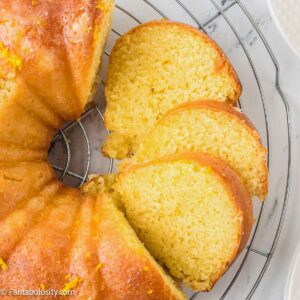
If you love old-fashioned Bundt cakes that are simple to make but taste like they came from a neighborhood bakery, this Orange Juice Cake is one to keep in your recipe box. Made with fresh orange juice, orange zest, and sour cream, it bakes up incredibly moist and finishes with a warm citrus glaze that soaks right into every slice.
Whether you’re baking it for Easter brunch, a baby shower, Sunday dinner, or just because you’re craving something homemade, this old-fashioned cake recipe always feels like the right choice. It’s pretty enough for special occasions, but easy enough to make on an ordinary afternoon.
An Old-Fashioned Orange Cake That’s Even Better the Next Day
As the cake rests, the warm orange glaze slowly works its way into the crumb, making every slice even softer and more flavorful by the next day. It’s one of the reasons I love making this cake ahead of time when I’m taking dessert somewhere.
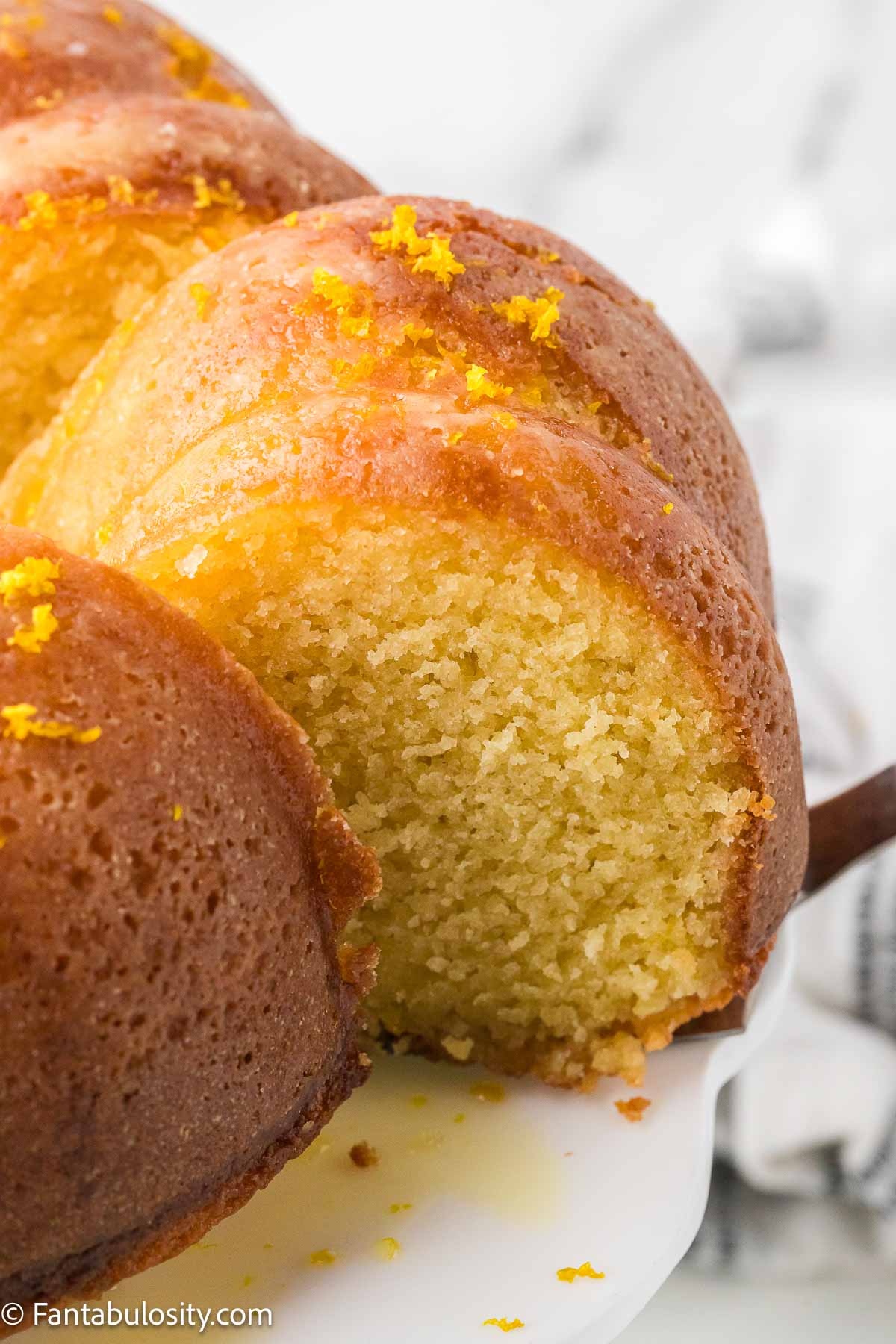
The combination of butter, sour cream, fresh orange juice, and orange zest gives it a rich, homemade flavor without feeling overly sweet. Instead of relying on extracts alone, the fresh citrus shines through in every bite, giving it a bright flavor that’s perfect any time of year.
And while this cake looks impressive sitting on a cake stand, it’s surprisingly forgiving to make. There’s no layering, no decorating, and no complicated techniques. Just mix the batter, bake it in a Bundt pan, pour on the warm glaze, and let time do the rest.
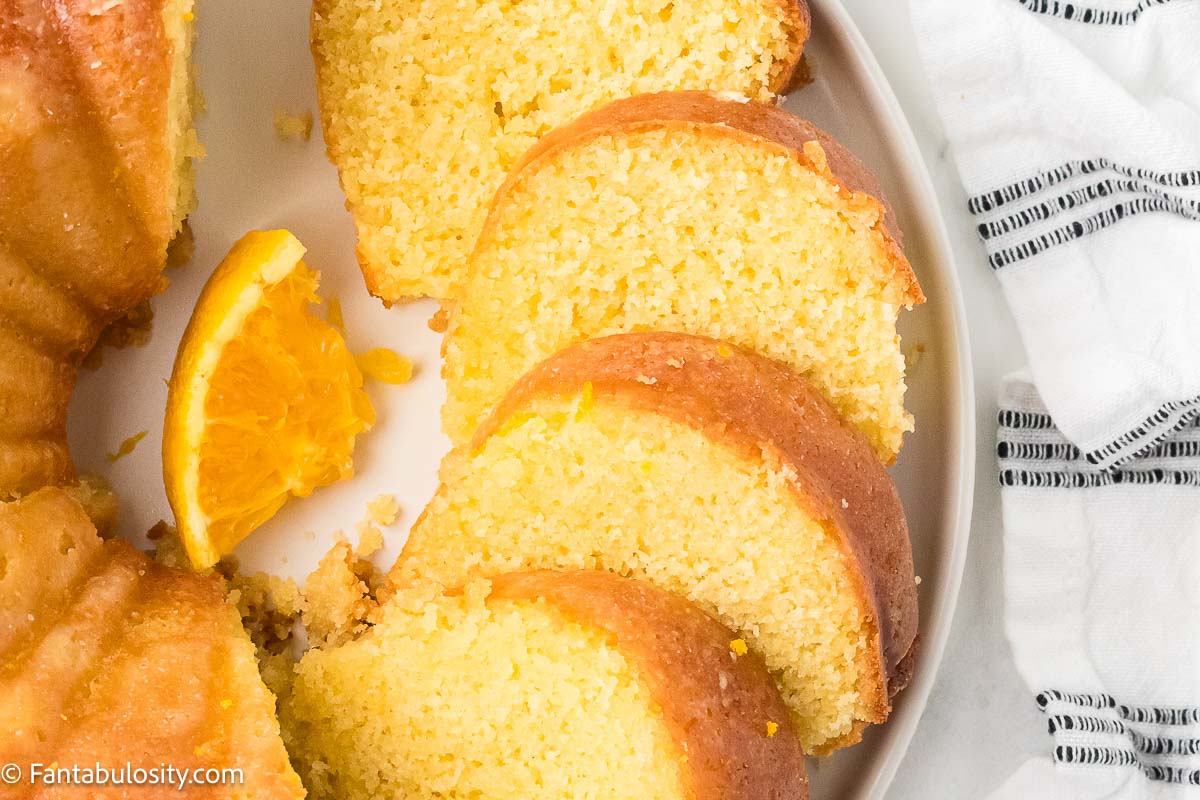
If you’re ready to bake, you can jump to the recipe card below, or keep reading for answers to some of the most common questions before you get started.
Frequently Asked Questions
Yes. Fresh orange juice gives this cake the brightest citrus flavor, but bottled pulp-free orange juice works well too. If you have fresh oranges on hand, I still recommend zesting them, since the zest adds much of the orange flavor throughout the cake.
The warm orange glaze slowly absorbs into the cake as it rests. By the next day, the citrus flavor has settled throughout the crumb, making the cake even more moist and flavorful than when it first comes out of the oven.
A standard 10- to 12-cup Bundt pan works perfectly for this recipe. Be sure to grease every crevice well and lightly flour the pan so the cake releases easily after baking.
The two biggest reasons are not greasing the pan thoroughly enough or letting the cake cool too long before turning it out. I like to let it cool for about 10 to 15 minutes before inverting it onto a cooling rack.
A dense cake is usually caused by overmixing once the flour has been added. Mix only until the ingredients are combined. The batter should be thick and smooth, but there’s no need to keep mixing after everything is incorporated.
Sour cream adds moisture and richness while helping create a soft, tender crumb. It also helps the cake stay fresh longer, which is another reason this recipe is so good the next day.
Absolutely. In fact, I recommend it. Bake the cake a day in advance, cover it once it’s completely cooled, and let the orange flavor continue to develop overnight. Many people actually prefer it the second day.
Once the cake has completely cooled, cover it tightly or store it in an airtight cake carrier. It will stay fresh at room temperature for up to 3 days.
If your kitchen is especially warm or you simply want it to last a little longer, you can refrigerate it for up to 5 days. Before serving, let a slice sit at room temperature for 20 to 30 minutes for the best flavor and texture.
Yes! This cake freezes beautifully.
Once the cake has cooled completely, wrap it tightly in plastic wrap followed by a layer of aluminum foil, or place individual slices in freezer-safe containers. Freeze for up to 3 months.
When you’re ready to enjoy it, thaw the cake overnight in the refrigerator or let slices come to room temperature on the counter before serving.
Ingredients
One of the things I love most about this Orange Juice Cake is that it uses simple baking ingredients you may already have on hand. Each ingredient works together to create a soft, buttery cake with plenty of fresh citrus flavor.
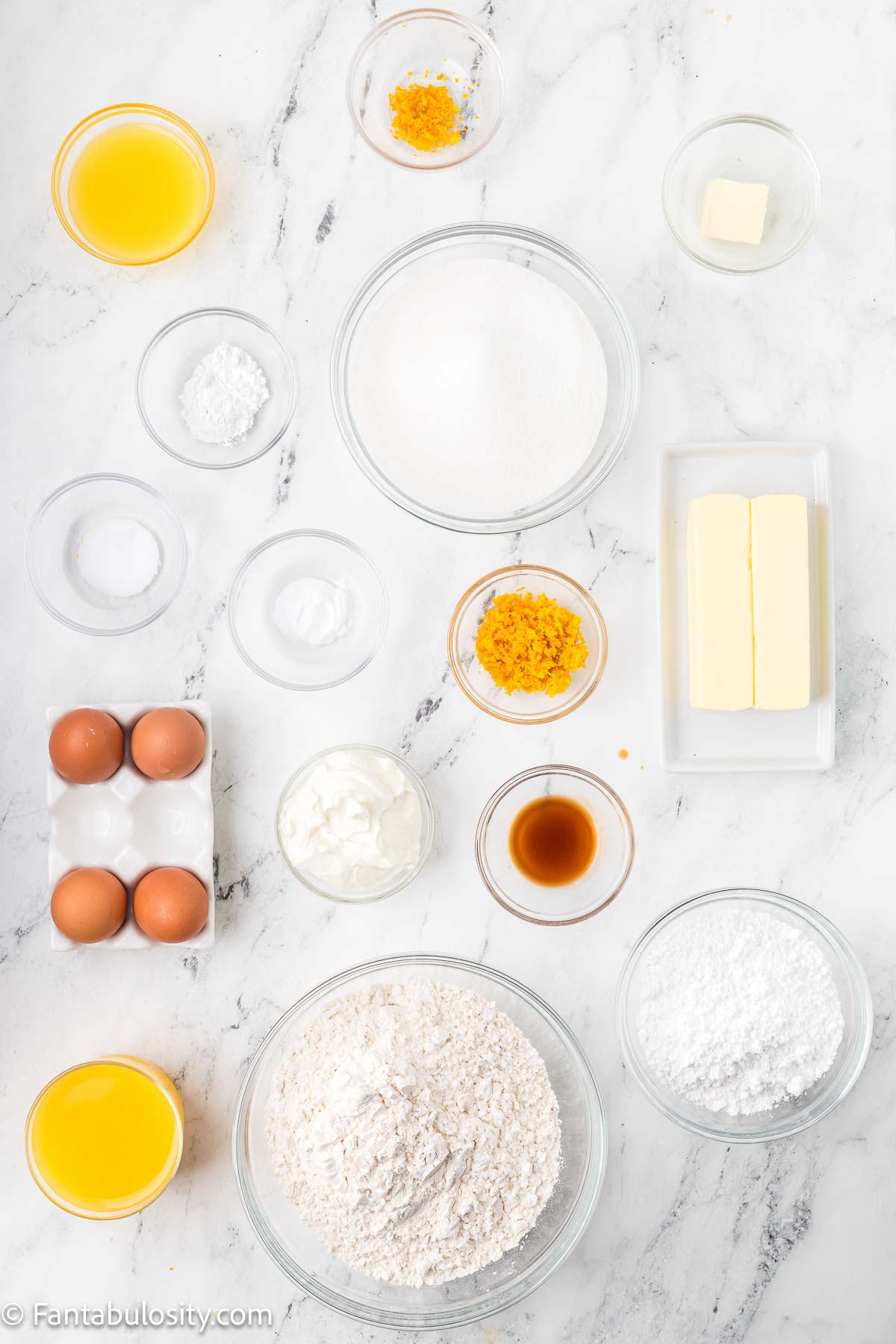
For the Cake
- Unsalted butter (1 cup, softened): Butter gives the cake its rich flavor and tender texture. Make sure it’s softened so it creams easily with the sugar.
- Granulated sugar (2 cups): Sweetens the cake while also helping create a light, fluffy crumb.
- Large eggs (4): Eggs provide structure and richness, helping the cake bake up beautifully.
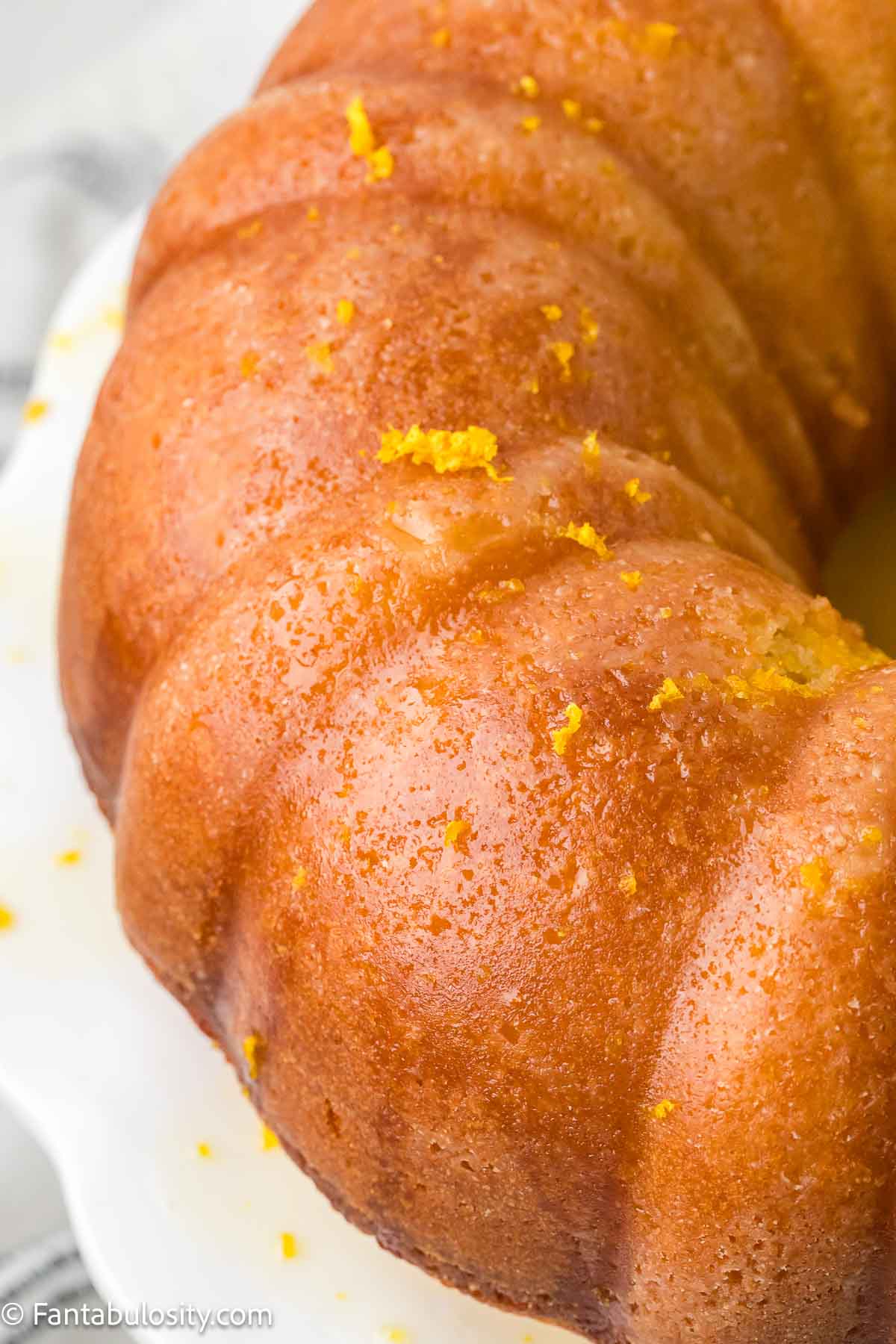
- Fresh orange zest (2 tablespoons): Don’t skip the zest! This is where much of the fresh orange flavor comes from.
- Vanilla extract (1 teaspoon): Adds warmth and balances the citrus.
- All-purpose flour (3 cups): Gives the cake structure while still keeping it soft.
- Baking powder (2 teaspoons): Helps the cake rise.
- Baking soda (½ teaspoon): Works with the sour cream to create a tender crumb.
- Salt (½ teaspoon): Enhances all of the flavors.
- Orange juice (1 cup): Fresh orange juice gives the brightest flavor, but bottled pulp-free orange juice works well too.
- Sour cream (½ cup): Helps keep the cake incredibly moist while adding richness. I love adding creamy ingrediens to cakes, like sour cream, Greek yogurt, and how I use cream cheese in my lemon bundt cake recipe to add creaminess too.
For the Orange Glaze
- Powdered sugar (1 cup): Creates a smooth, sweet glaze.
- Orange juice (⅓ cup): Adds bright citrus flavor.
- Butter (1 tablespoon): Gives the glaze richness and helps it soak into the cake.
- Fresh orange zest (1 teaspoon): Adds another pop of fresh orange flavor.
Instructions
Preheat your oven to 350°F. Grease and flour a 10- to 12-cup Bundt pan, making sure every groove is well coated.
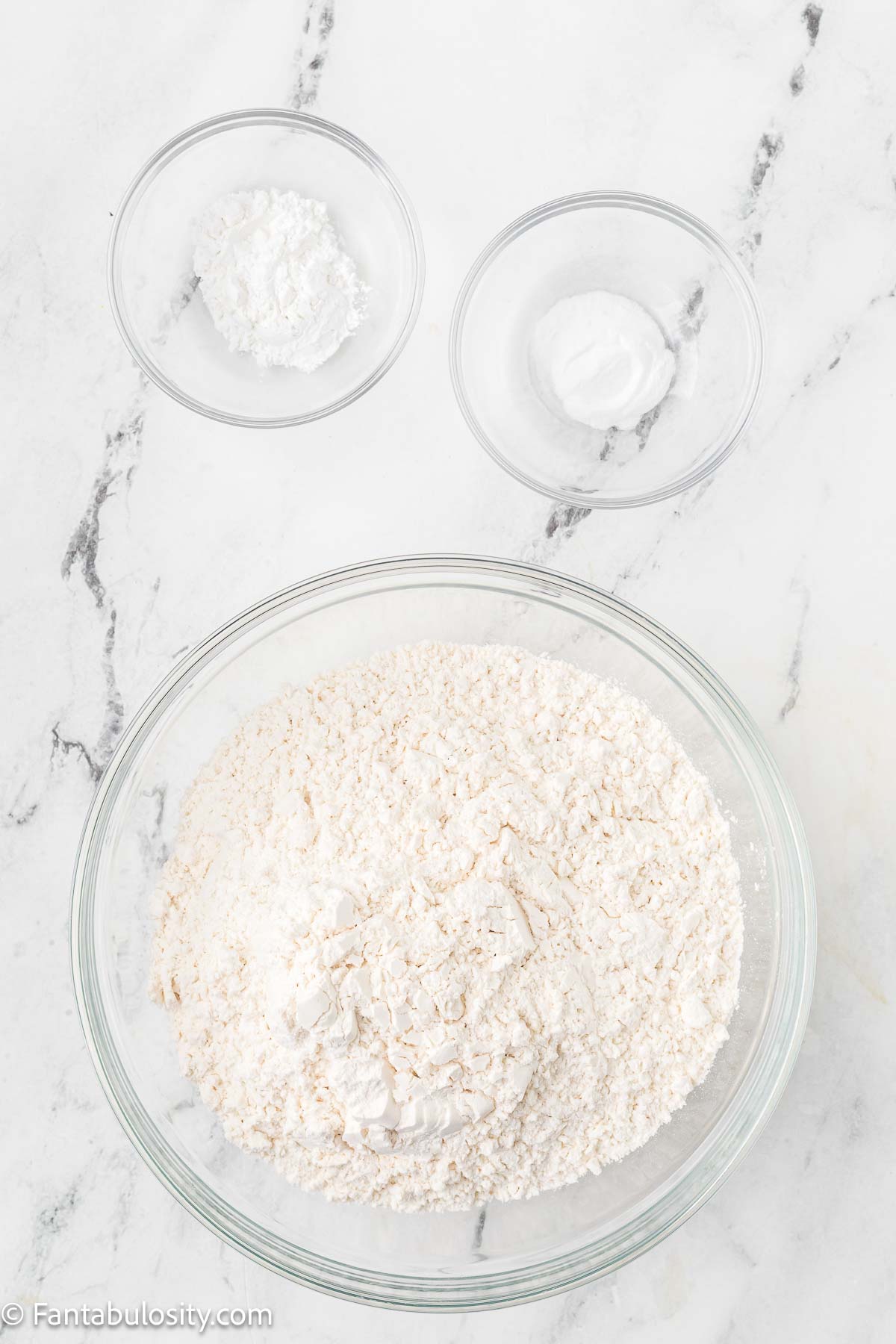
In a medium bowl, whisk together 3 cups all-purpose flour, 2 teaspoons baking powder, ½ teaspoon baking soda, and ½ teaspoon salt until combined.
In a large mixing bowl, beat 1 cup softened unsalted butter with 2 cups granulated sugar for 3 to 4 minutes, or until the mixture is light and fluffy.
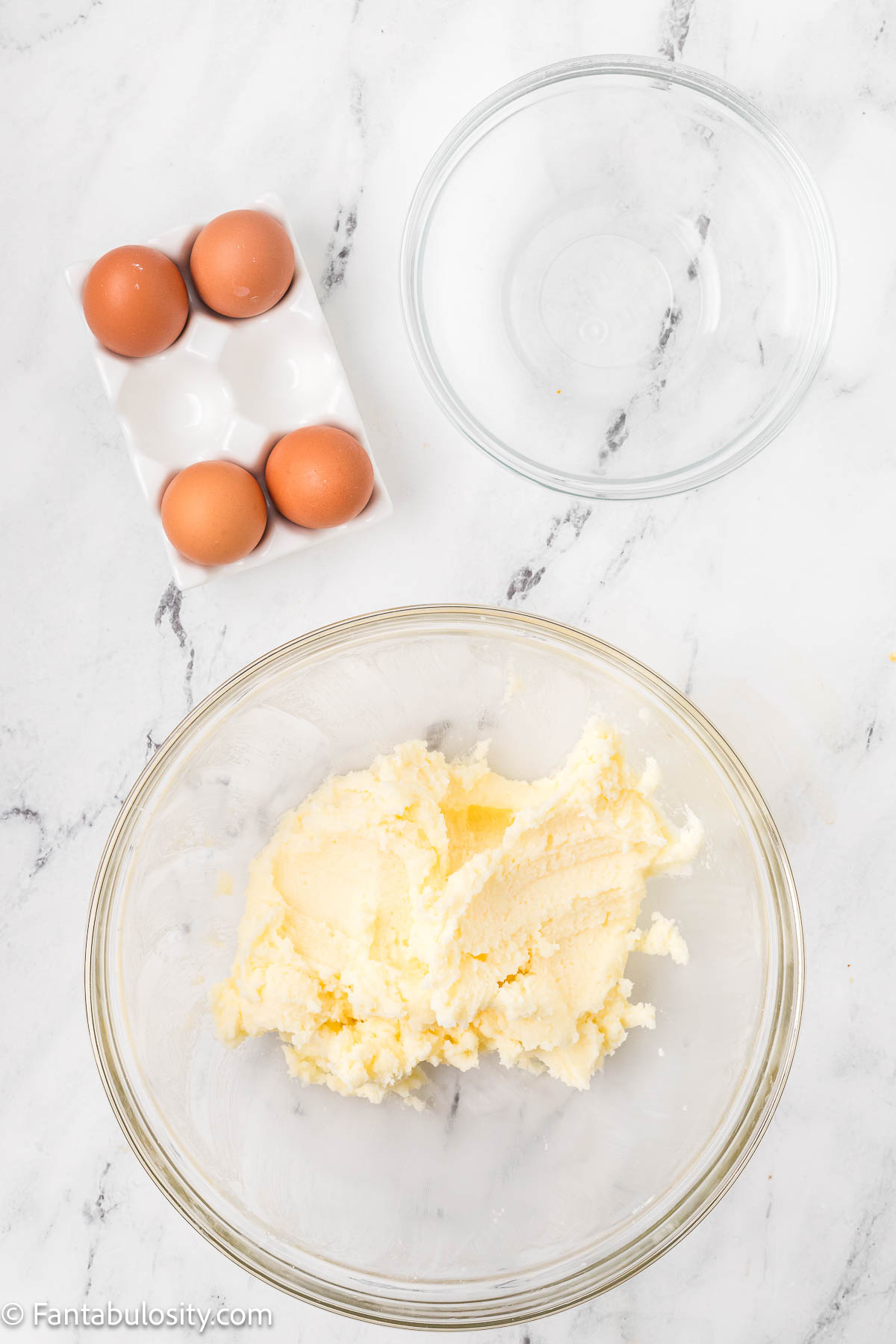
Add 4 large eggs, one at a time, mixing well after each addition. Stir in 2 tablespoons fresh orange zest and 1 teaspoon vanilla extract.
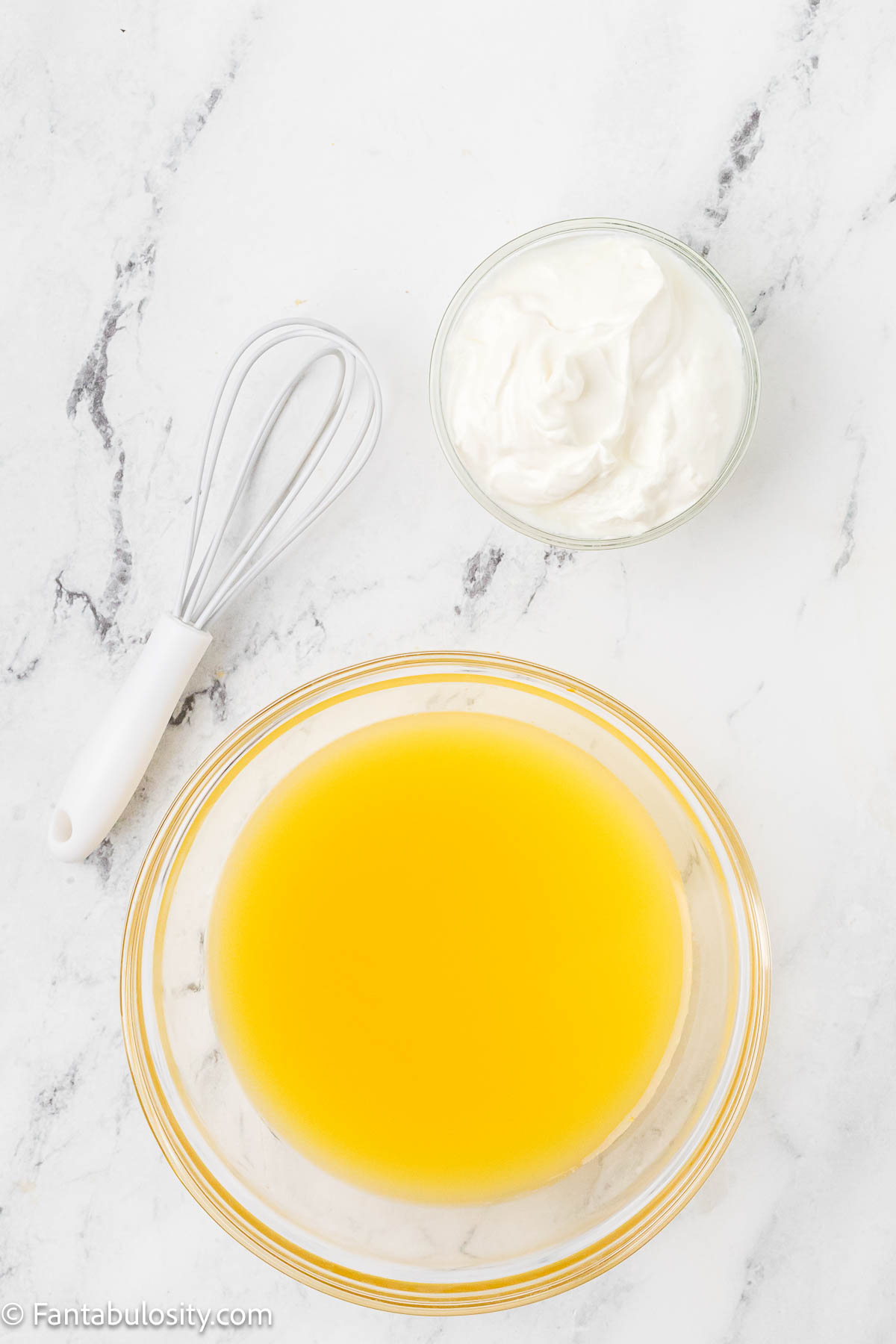
In another bowl, whisk together 1 cup orange juice and ½ cup sour cream until smooth.
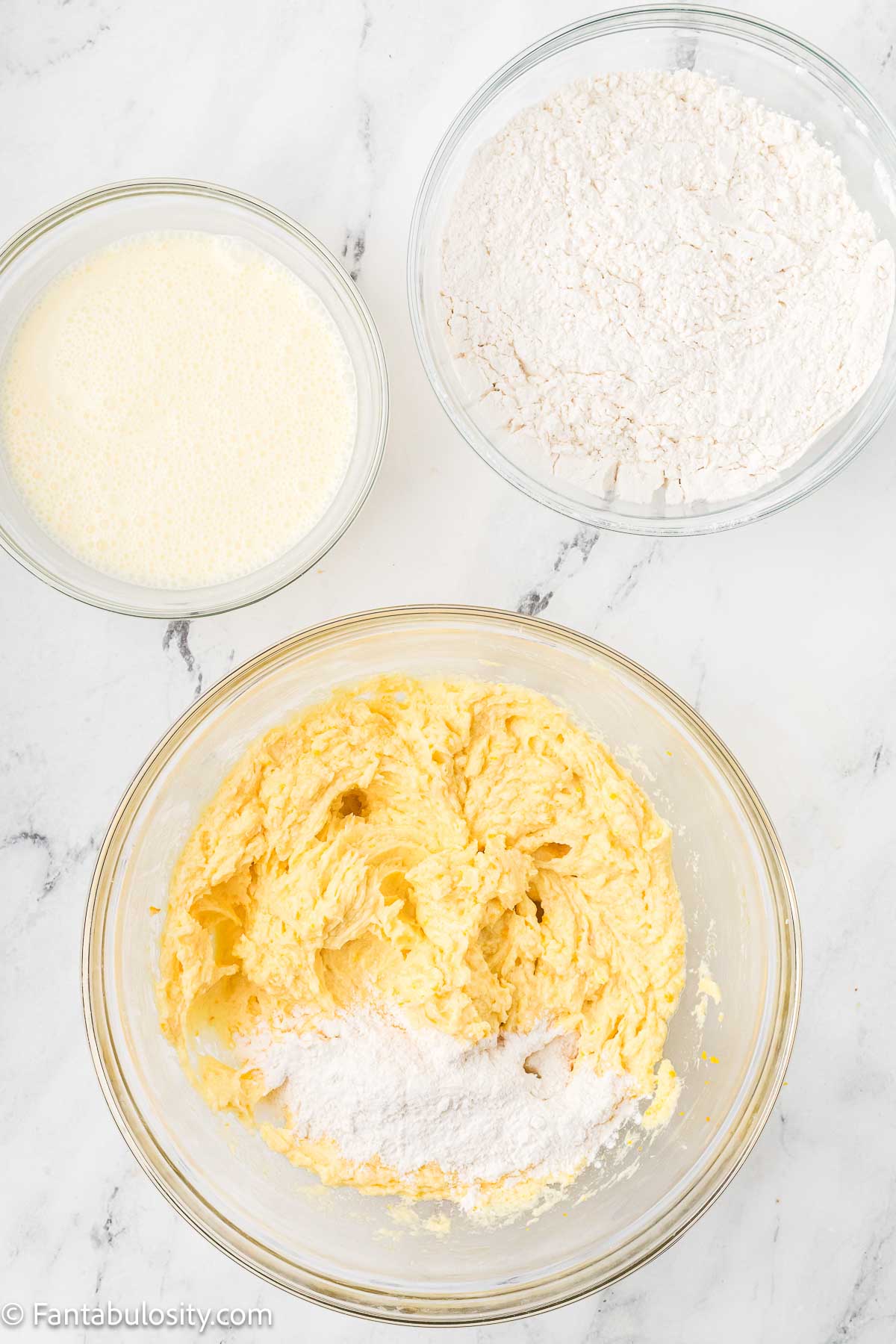
Add the flour mixture and the orange juice mixture to the butter mixture, alternating between the two. Begin and end with the dry ingredients, mixing only until everything is combined. The batter will be thick and smooth.
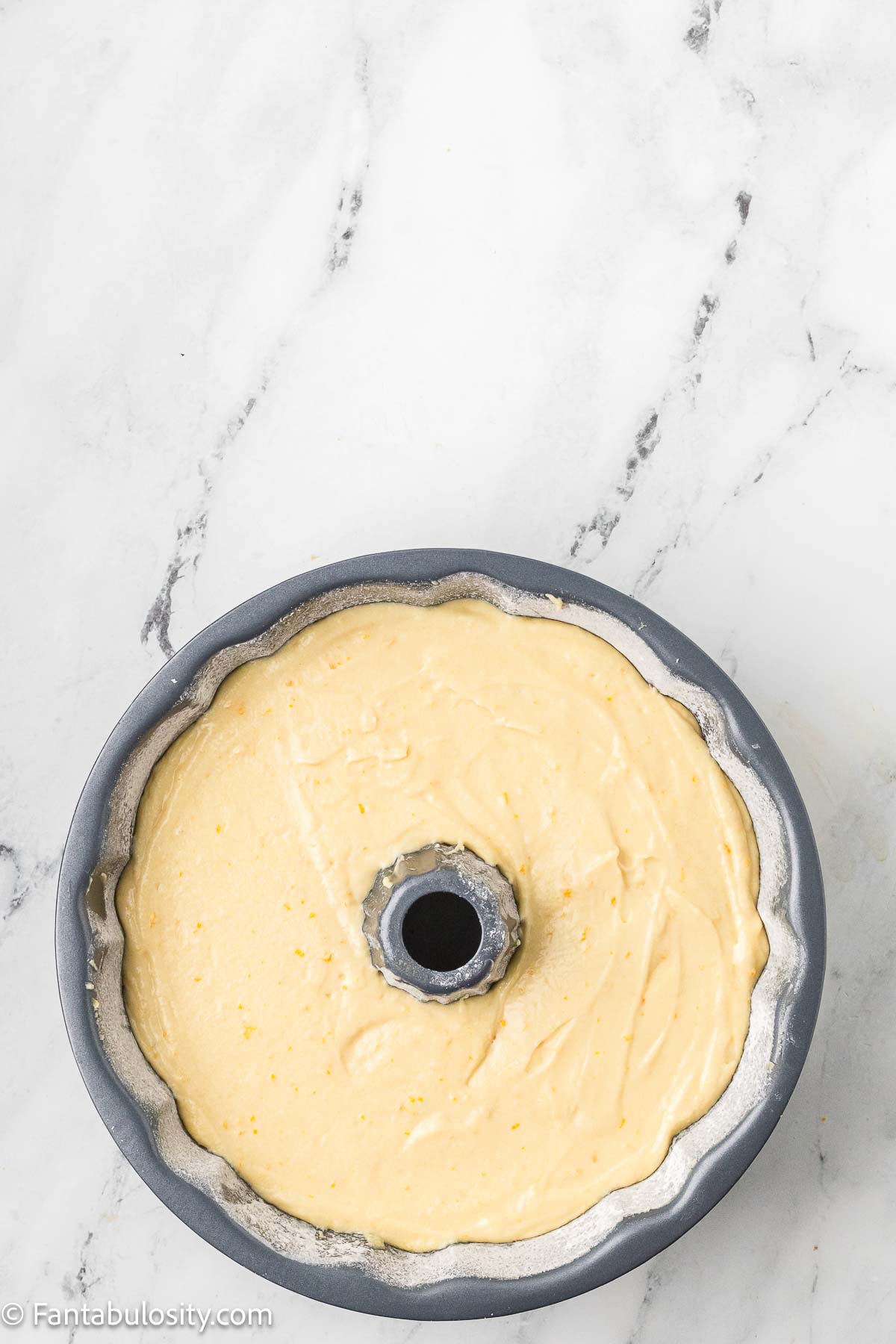
Pour the batter into the prepared Bundt pan and smooth the top with a spatula.
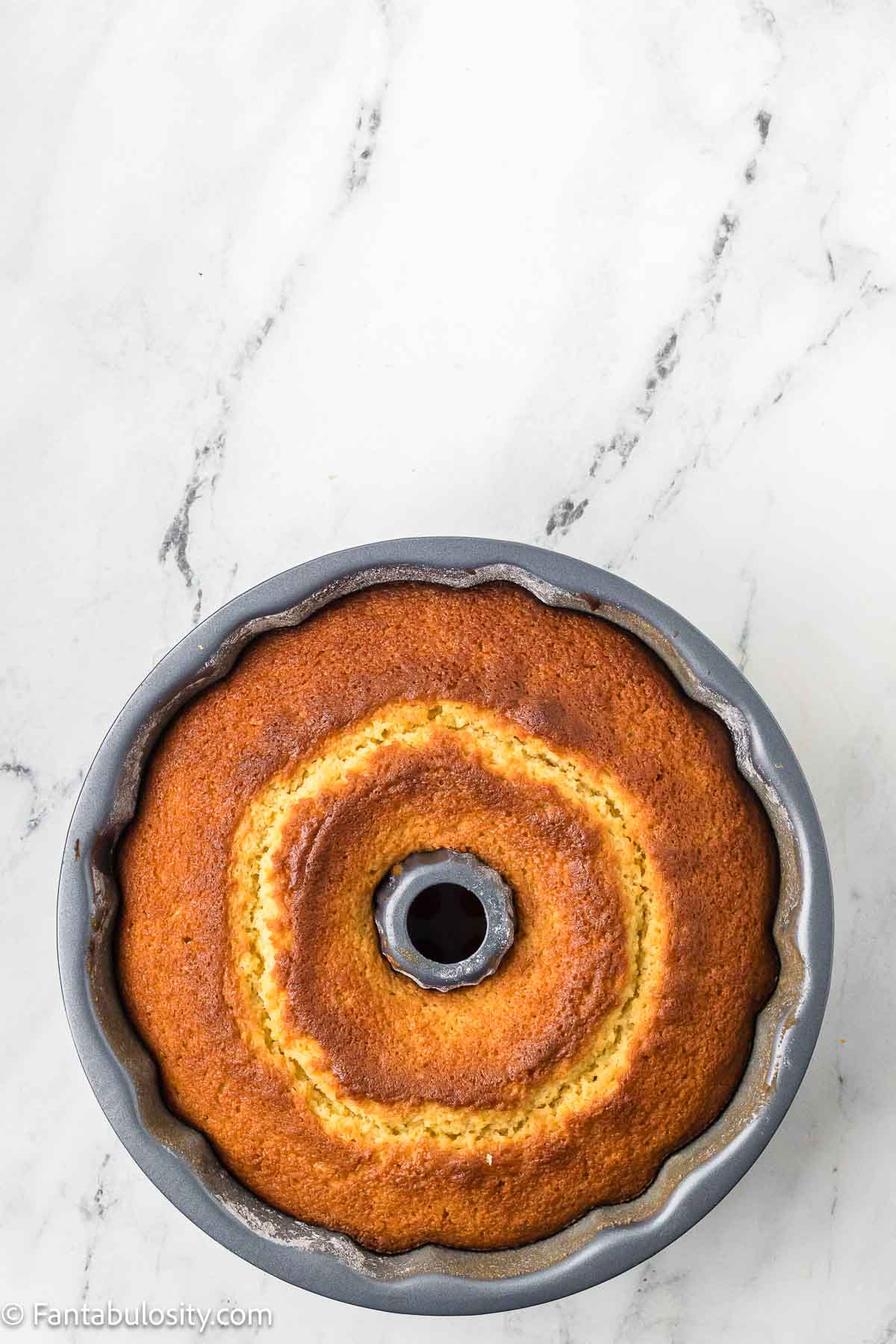
Bake for 50 to 60 minutes, or until a toothpick inserted into the center comes out clean. For an even more reliable doneness check, the center of the cake should register about 200°F to 210°F with an instant-read thermometer.
Allow the cake to cool in the pan for 10 to 15 minutes before carefully turning it out onto a cooling rack.
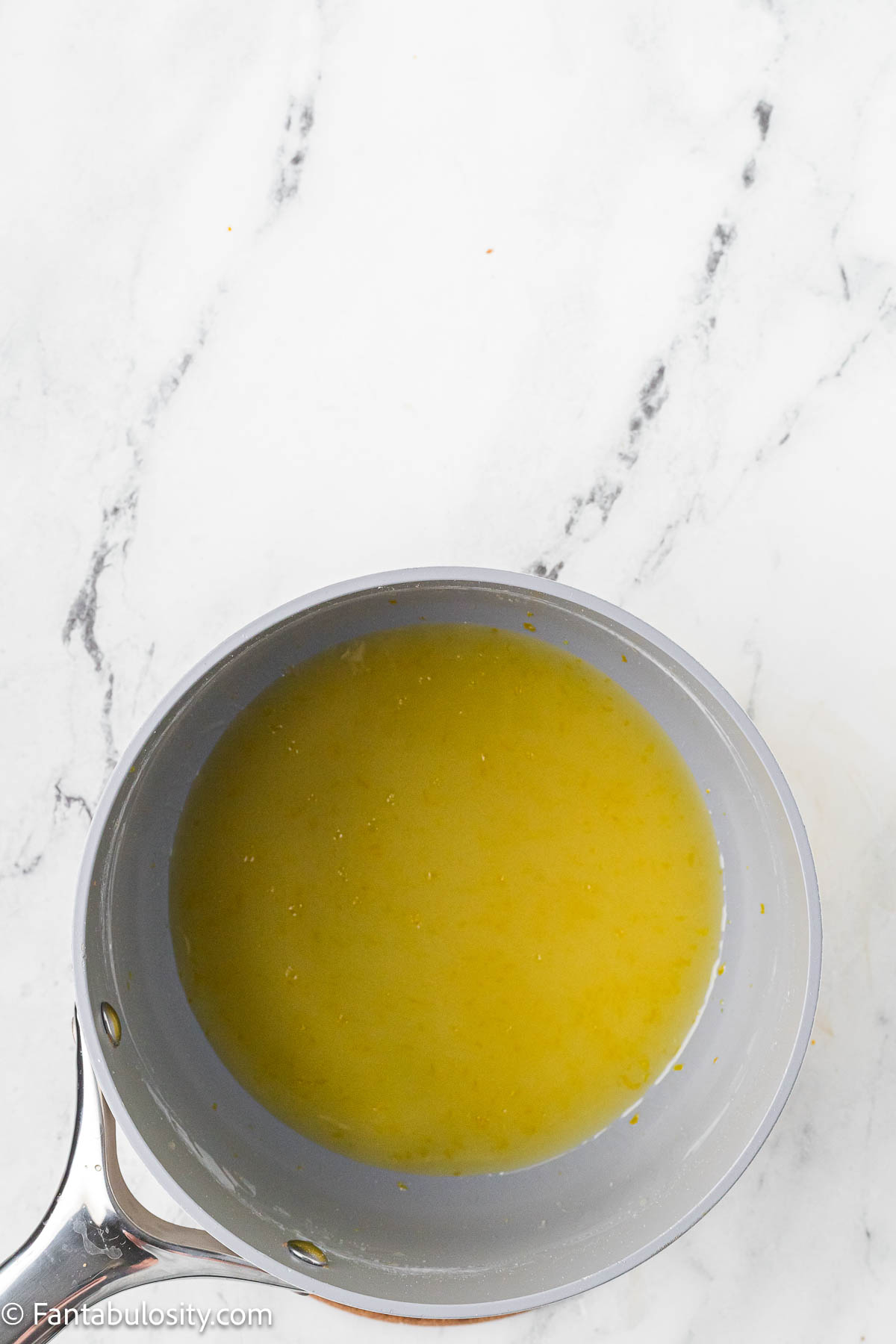
While the cake is still warm, prepare the glaze. In a small saucepan over medium heat, melt 1 tablespoon butter. Whisk in 1 cup powdered sugar, ⅓ cup orange juice, and 1 teaspoon orange zest until smooth.
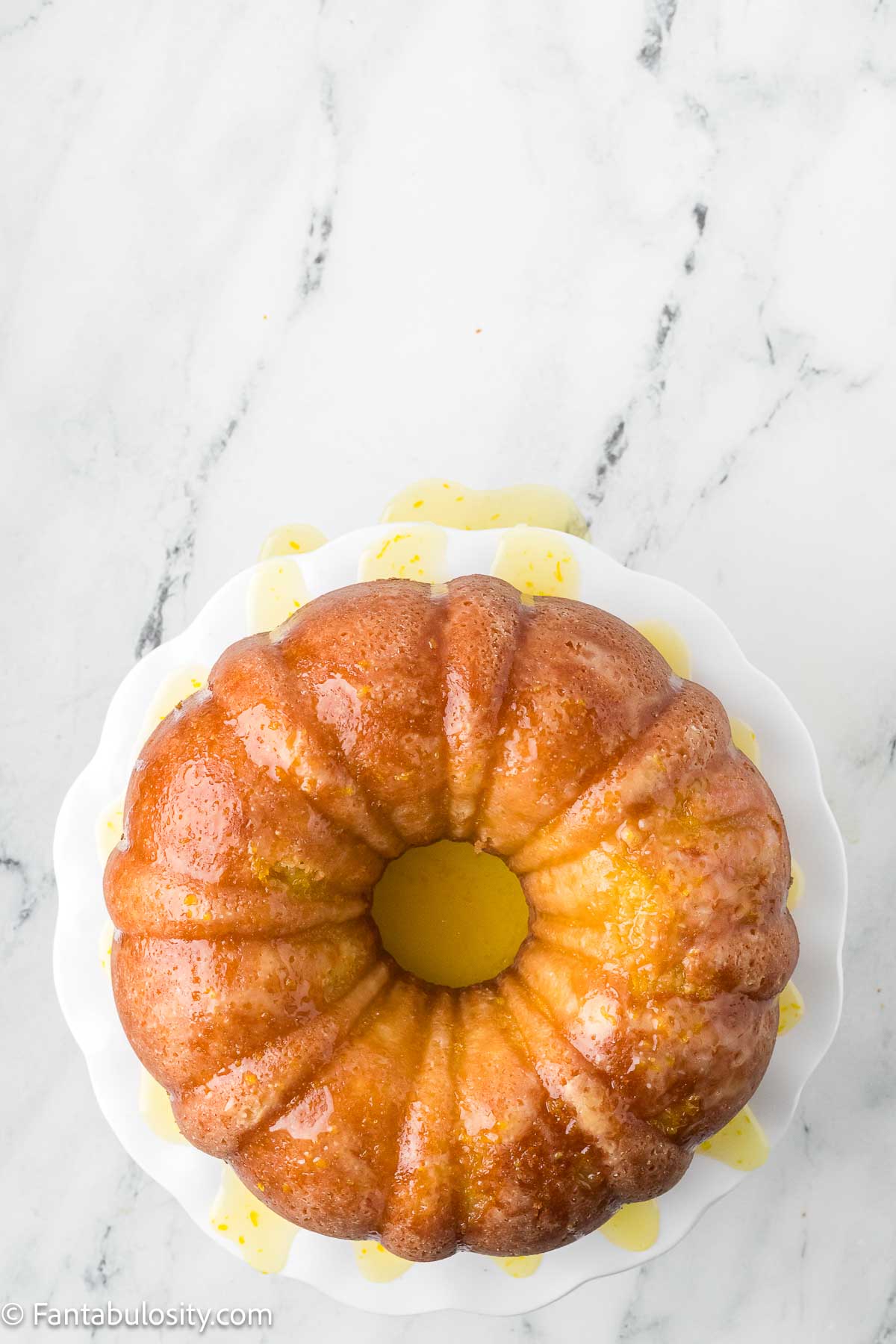
Slowly spoon the warm glaze over the warm cake, allowing it to soak into the top and drip down the sides.
Let the cake rest for at least 20 minutes before slicing so the glaze has time to settle into the cake.
Recipe Tips
- Fresh orange zest makes the biggest difference in flavor.
- Mix the batter only until the ingredients are combined to avoid a dense cake.
- Pour the glaze over the cake while both are still warm so it absorbs into the crumb.
- Grease every crevice of the Bundt pan well to help the cake release easily.
- This is one of those cakes that’s even better the next day, making it a great make-ahead dessert.
More Recipes You’ll Love
If you love old-fashioned cakes like this one, you may also enjoy:
Recipe
Orange Juice Cake
Ingredients
- 1 cup unsalted butter softened
- 2 cups granulated sugar
- 4 large eggs
- 2 tablespoons fresh orange zest
- 1 teaspoon vanilla extract
- 3 cups all-purpose flour
- 2 teaspoons baking powder
- ½ teaspoon baking soda
- ½ teaspoon salt
- 1 cup orange juice
- ½ cup sour cream
Orange Glaze:
- 1 cup powdered sugar
- ⅓ cup orange juice
- 1 tablespoon butter
- 1 teaspoon orange zest
Instructions
- Preheat the oven to 350°F. Grease and flour a 10- to 12-cup Bundt pan well.
- In a medium bowl, whisk together all-purpose flour, baking powder, baking soda, and salt. Set aside.
- In a large bowl, beat the unsalted butter and granulated sugar together until light and fluffy.
- Add the eggs one at a time, mixing well after each. Stir in the orange zest and vanilla extract.
- In a separate bowl, whisk together the orange juice and sour cream.
- Add the dry ingredients and the orange juice mixture to the butter. Alternating between the two, beginning and ending with the dry ingredients. Mix just until combined; do not overmix. The batter will be thick, smooth, and pourable.
- Pour the batter into the prepared Bundt pan and smooth the top.
- Bake for 50-60 minutes, or until a toothpick inserted in the center comes out clean.
- Let the cake cool in the pan for 10-15 minutes before turning out the cake onto a cooling rack.
- While the cake is in the pan, melt butter in a small saucepan over medium heat. Whisk in powdered sugar, orange juice, and zest until smooth and slightly thin.
- Slowly pour the warm glaze over the cake while it is still warm, allowing it to soak into the surface and drip down the sides.
- Let the cake rest for at least 20 minutes so the glaze settles into the crumb before slicing.
Notes
- Fresh orange zest gives this cake the best citrus flavor.
- Grease and flour your Bundt pan well so the cake releases easily.
- Mix the batter just until combined to keep the cake soft and tender.
- Pour the warm glaze over the warm cake so it soaks into every bite.
- This cake tastes even better the next day after the orange flavor has had time to develop.
- For the most accurate doneness, bake until the center reaches 200°F to 210°F or a toothpick inserted into the center comes out clean.
Nutrition
Nutritional information is based on third-party calculations and should be considered estimates. Actual nutritional content will vary with brands used, measuring methods, portion sizes and more.
Jessica says
Old fashioned cakes are my favorite, and this one is a classic church basement dessert!