


Some recipes just feel like home, and these snickerdoodles will always remind me of my mom's kitchen. Her handwritten recipe card is one I've seen for years, and even though she’s made a couple of tiny updates, like swapping in butter for shortening and adding vanilla, it has only gotten better.
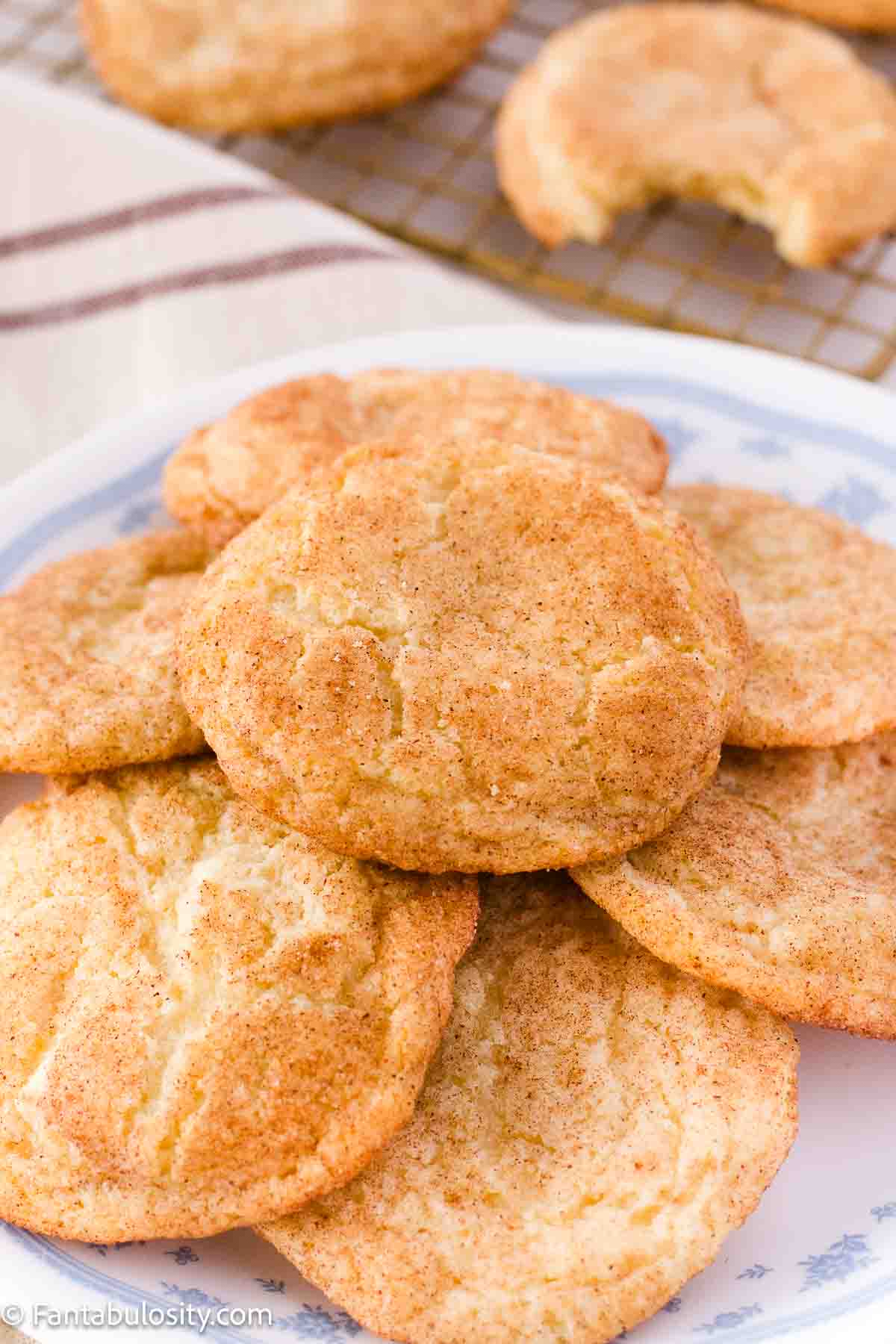
These cookies bake up soft, cinnamon-coated, and full of that classic tang you can only get from a true old-fashioned snickerdoodle.
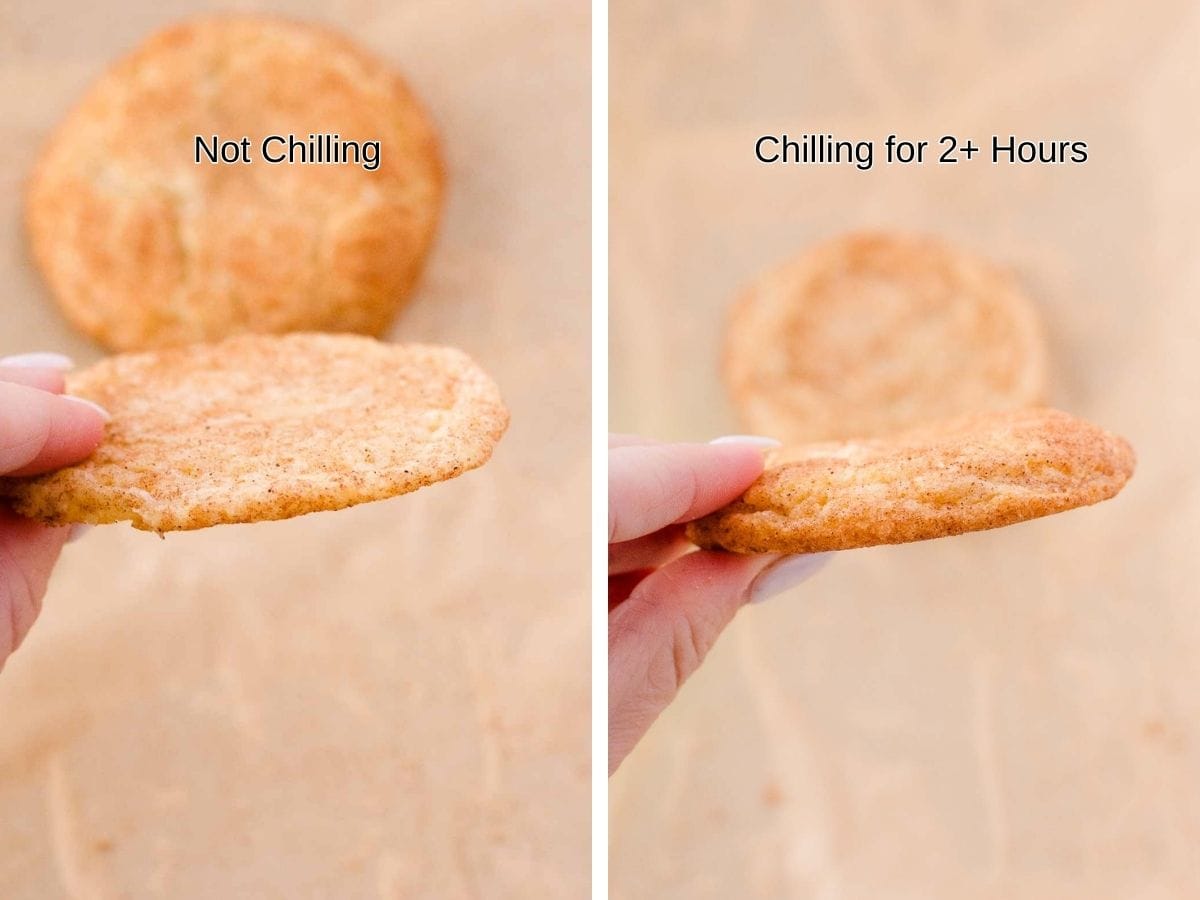
Whether you decide not to chill the dough (flatter cookie), to chill for a couple of hours, or even overnight (puffier cookie), they turn out beautifully every time.
Why You'll Love This Recipe
- It’s a recipe that my mom has made for years, and she was kind of enough to let me share it with you all.
- Soft, chewy centers with lightly crisp cinnamon-sugar edges
- Simple pantry ingredients that come together quickly
- Dough can chill for 2 hours or overnight – or opt out of chilling and still get a tasty but flatter cookie.
- Makes about 30 cookies
- Nostalgic flavor straight from a well-loved recipe card
Ingredients (with Notes)
Here's what goes into my mom's snickerdoodles, and why each ingredient matters:
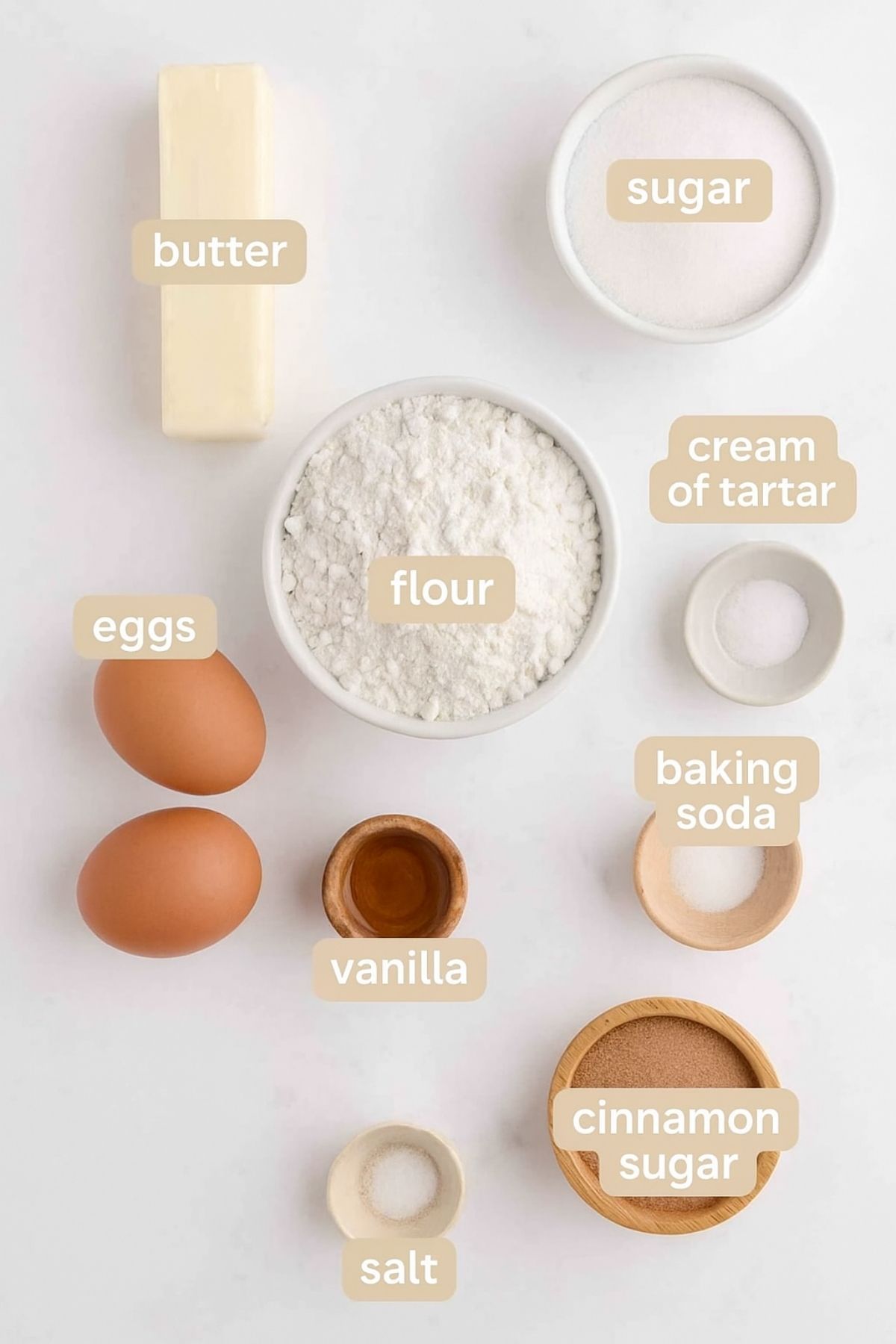
- Butter: Using butter gives these cookies a warm, rich flavor that shortening doesn't. It also helps them spread just slightly for that soft-in-the-center texture.
- Sugar: Granulated sugar sweetens the dough and helps the outside caramelize lightly once rolled in cinnamon sugar.
- Eggs: These bind the dough and keep the cookies soft as they bake.
- Vanilla: My little addition! Vanilla adds warmth and rounds out the cinnamon flavor.
- Flour: All-purpose flour gives the cookies structure.
- Cream of Tartar: This is what sets a snickerdoodle apart from a regular sugar cookie. It adds that signature tang and helps create the soft, pillowy texture.
- Baking Soda: Works with the cream of tartar to help the cookies puff up.
- Salt: Just a little, to balance the sweetness.
- Cinnamon Sugar Mixture: I use about ¼ cup total, and it coats the cookies perfectly. This gives them their iconic flavor and golden-speckled edges.
Instructions
Here's how the recipe comes together…
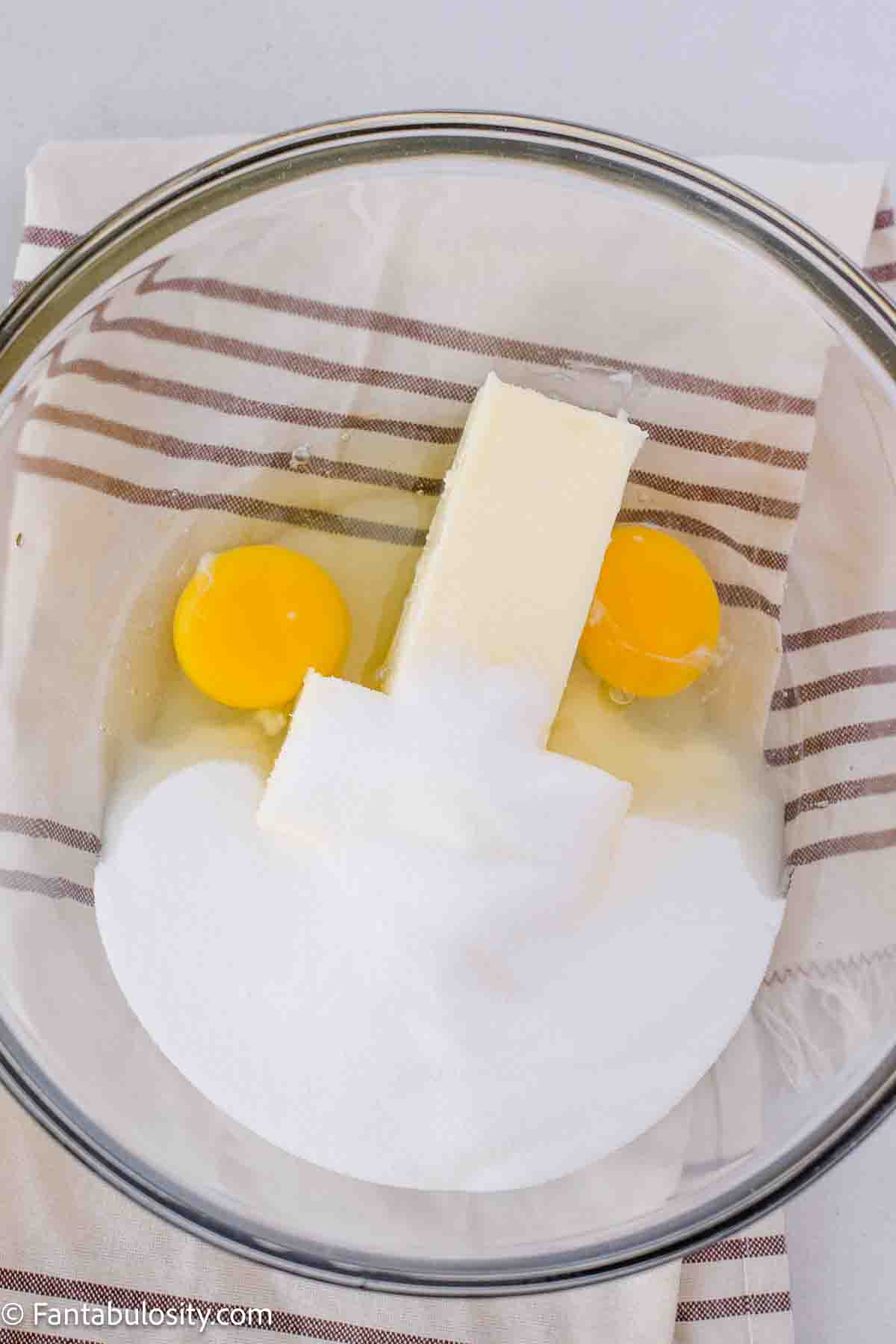
- Cream the butter and sugar until it's light and fluffy.
- Add the eggs and vanilla and mix until smooth.
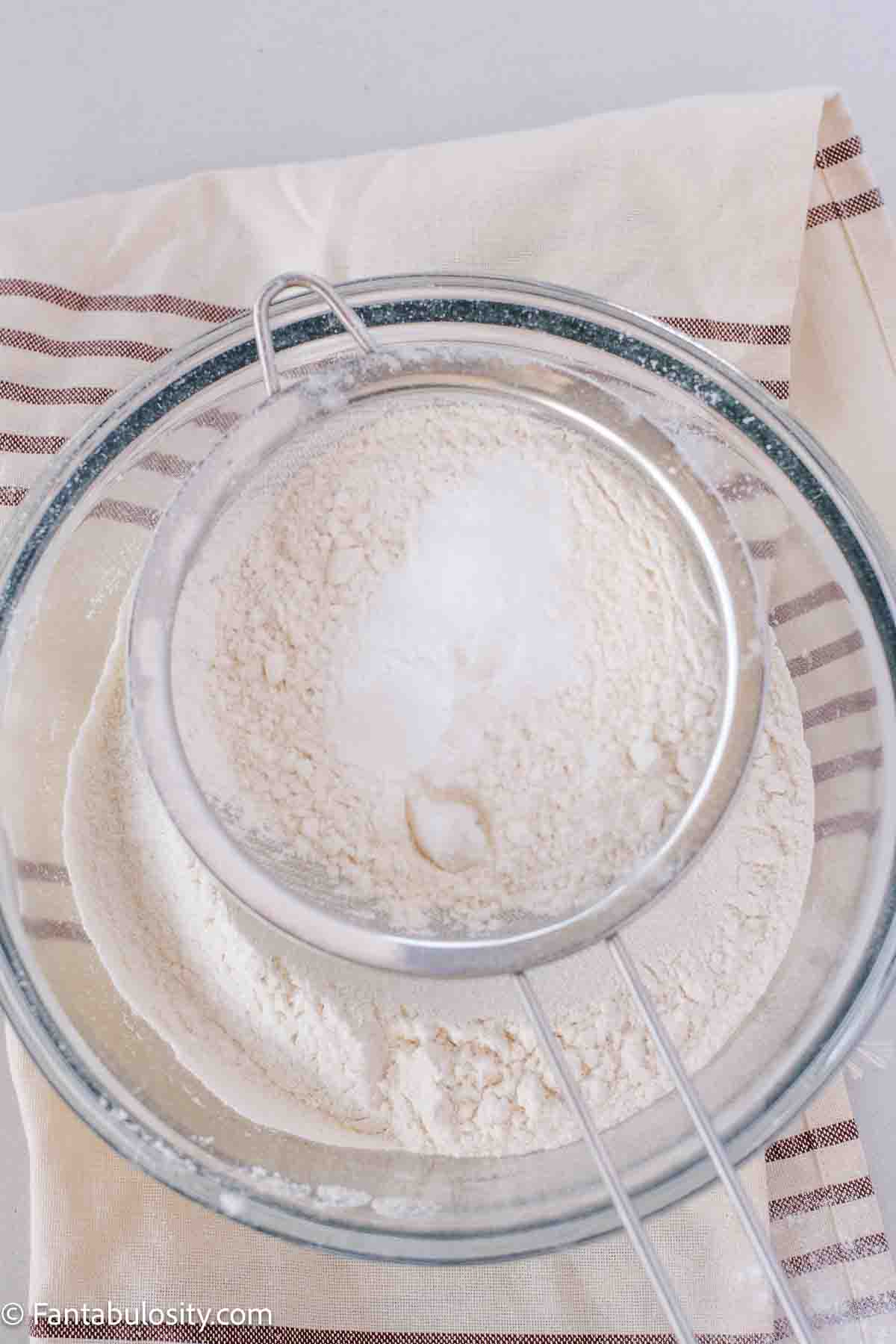
- In a separate bowl, whisk together the flour, cream of tartar, baking soda, and salt.
- Add the dry ingredients to the wet mixture and stir until a soft dough forms.
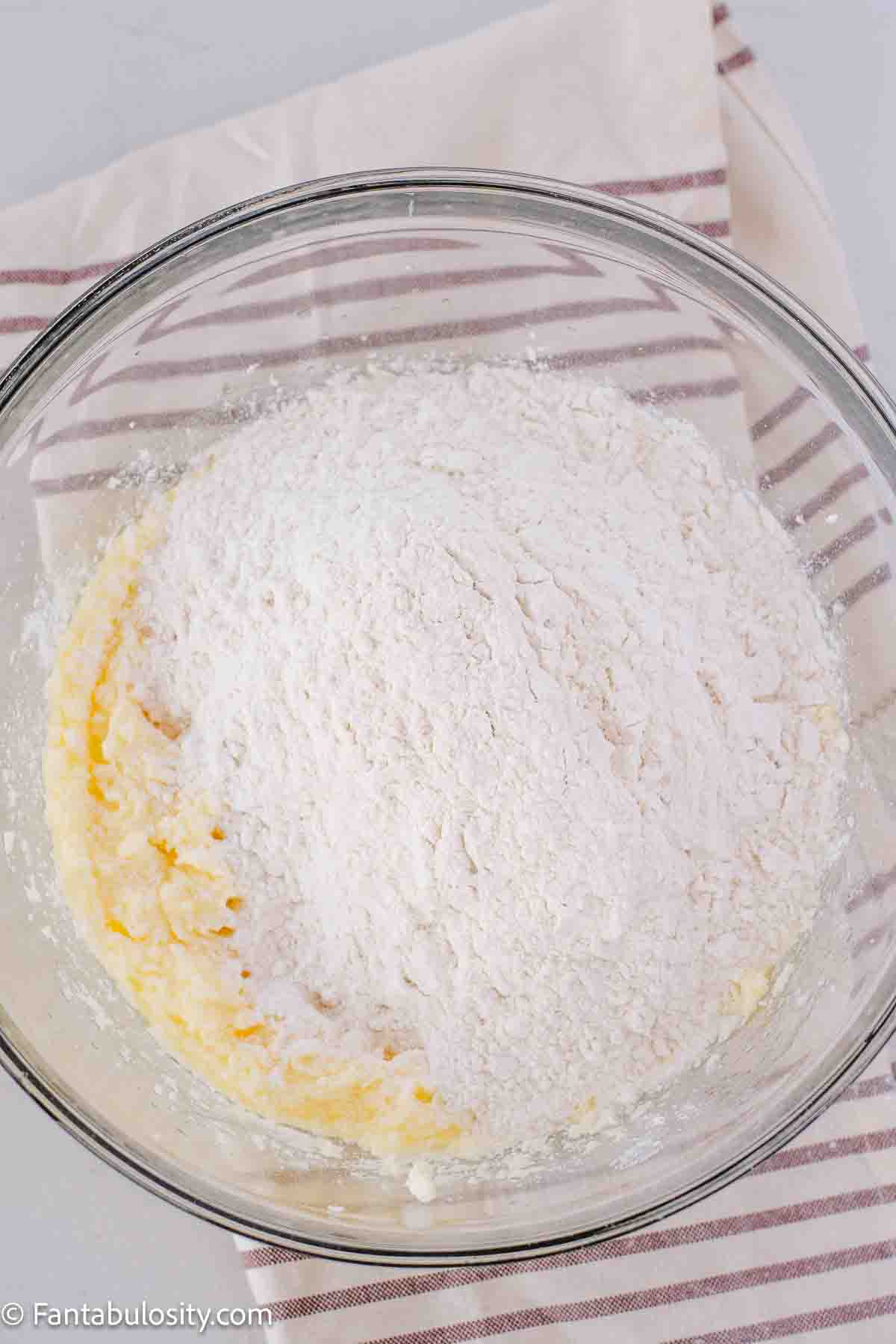
- Roll the dough into balls the size of walnuts.
- Roll each dough ball in the cinnamon-sugar mixture until completely coated.
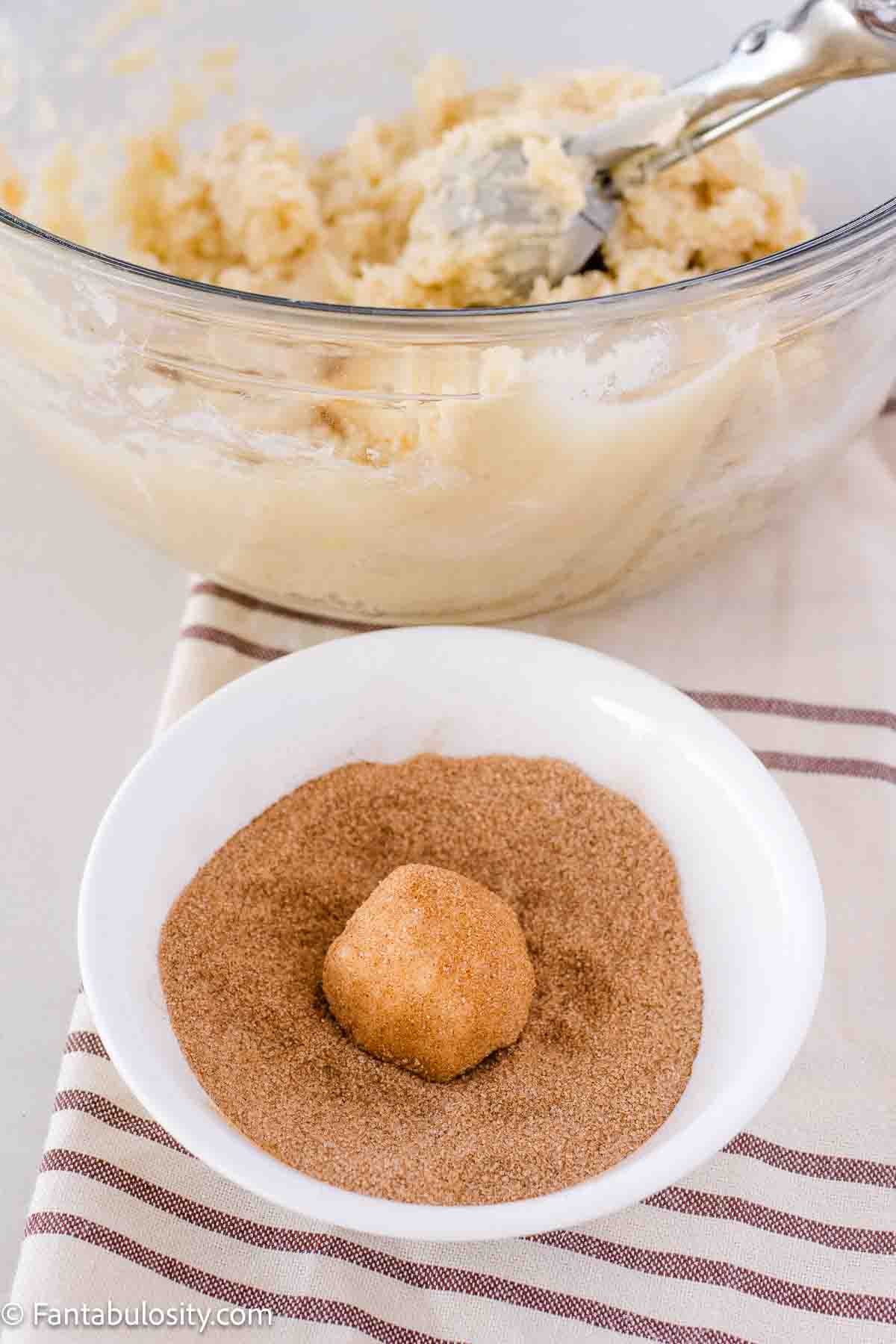
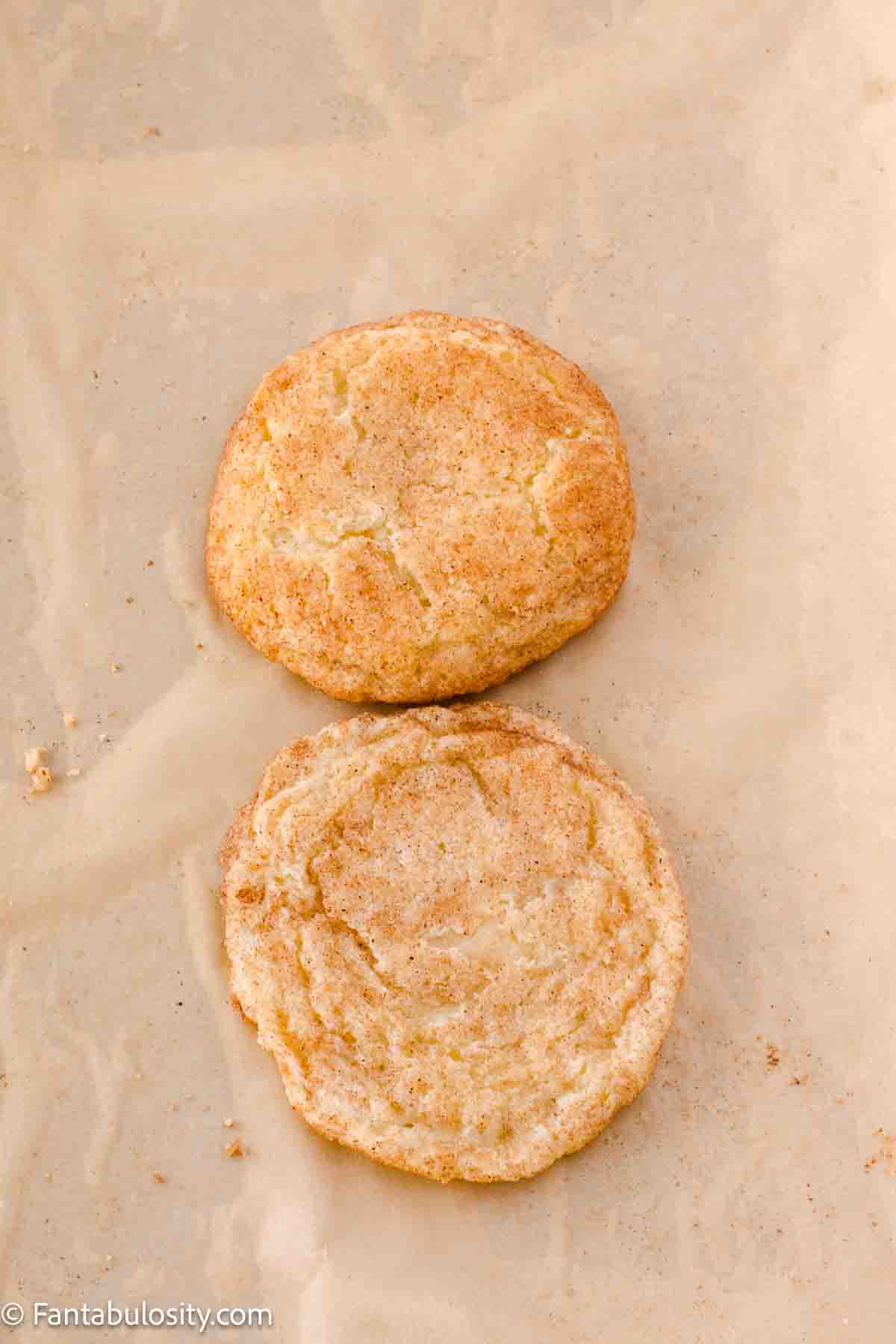
- Place the coated dough balls on a tray or plate and chill for at least 2 hours. (Overnight works great too, I've done it both ways!) Actually, you can skip chilling the cookies altogether if you want but do know they’ll turn out flat. I’ve provided photos of both styles below so you can see the difference.
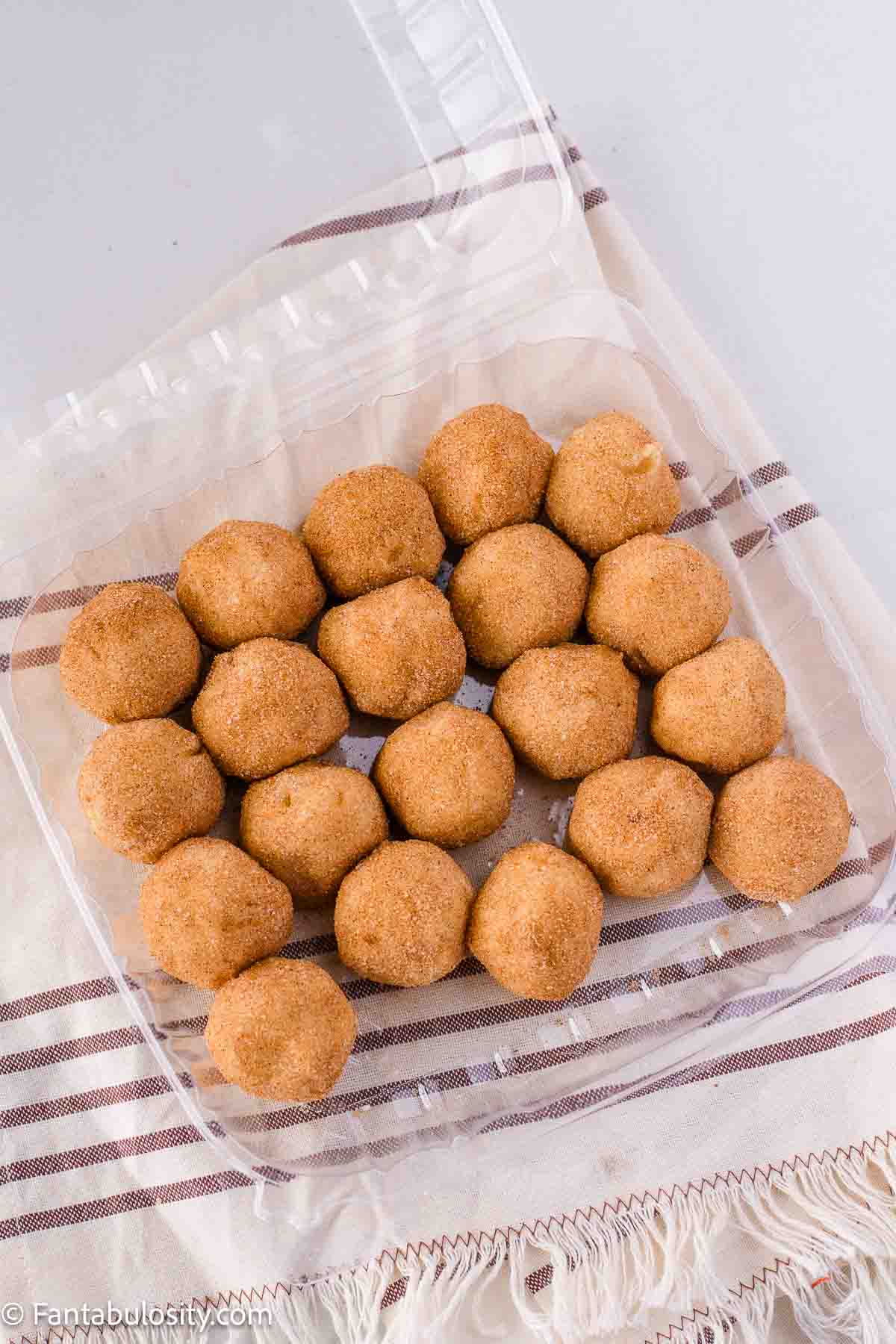
- When ready to bake, preheat the oven to 400°F.
- Place dough balls on an ungreased cookie sheet, leaving space for spreading.
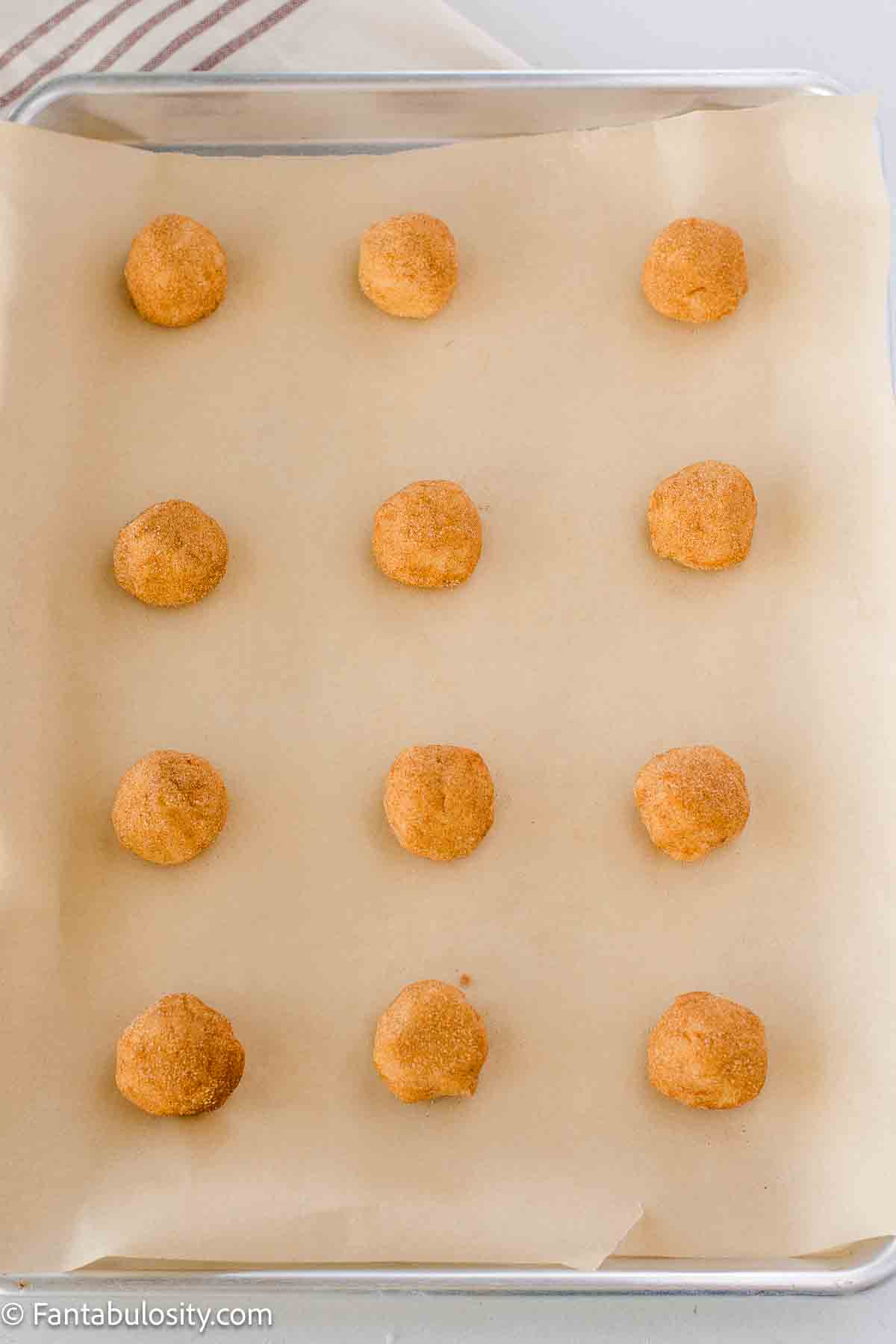
- Bake 8-10 minutes, or until the edges are just barely golden and the centers look set. My mom and I find that 9 minutes and 30 seconds is the sweet spot.
- Let cool on the tray for a minute before transferring to a cooling rack.
To Chill or Not to Chill
If you’re in a hurry or you prefer flatter snickerdoodles, you may choose to skip chilling the dough balls. However, if you want a puffier cookie, chilling is best. Here’s an example of not chilling (flatter cookie) and chilling the dough (fluffier cookie).
In the image below, the cookie on top has been chilled for 2+ hours. The cookie on bottom was baked right after mixing, without chilling.
Tips & Notes
- If the dough feels too sticky to roll, chill it for 20 minutes first.
- Slight underbaking keeps them soft; they'll continue to firm up on the baking sheet.
- Want bigger cookies? Roll larger balls and add an extra minute to the bake time.

FAQs
Yes! Roll in cinnamon sugar first, freeze on a tray, then store in a freezer bag. Bake from frozen, adding a minute or two.
For a true snickerdoodle, yes. It's what gives them their iconic flavor.
You can. But butter gives the best flavor.
Storage & Freezing
Store in an airtight container for 4 days.
Freeze baked cookies for up to 3 months.
You can also freeze dough balls to bake later.
Serving Suggestions
Serve warm with milk or hot cocoa, or pack them in lunchboxes, cookie tins, or holiday trays. These are the cookies everyone reaches for first.
More Vintage Recipes To Try
- Old Fashioned Desserts Everyone Knows and Loves features old-fashioned cake recipes that have been passed down for generations and still show up at gatherings today.
- Blueberry Dump Cake is an easy dessert made by layering blueberry filling, cake mix, and butter, then baking until golden and bubbly.
- Cherry Dump Cake uses a few simple ingredients, and bakes into a warm, buttery cake with a sweet and slightly tart cherry filling.
- This Dump Cake Recipe is an old-fashioned recipe that is known for its simplicity and consistent results every time.
Recipe

Mom’s Snickerdoodle Cookies
Video
Ingredients
- 1 cup butter softened
- 1 ½ cups white granulated sugar
- 2 eggs
- 1 teaspoon vanilla extract
- 2 ¾ cups all-purpose flour
- 2 teaspoons cream of tartar
- 1 teaspoon baking soda
- ¼ teaspoon salt
- cinnamon sugar mixture: ¼ cup sugar + 1 tablespoon cinnamon
Instructions
- Cream 1 cup softened butter with 1 ½ cups sugar until the mixture is light and fluffy. Add 2 eggs and 1 teaspoon vanilla and mix again until everything is smooth.

- In a separate bowl, sift together 2 ¾ cups flour, 2 teaspoons cream of tartar, 1 teaspoon baking soda, and ¼ teaspoon salt.
- Add the dry mixture to the butter mixture and stir until a soft cookie dough forms.
- In a small bowl, mix ¼ cup sugar with 1 tablespoon cinnamon to make the cinnamon sugar.
- Roll the cookie dough into walnut-sized balls, then roll each ball in the cinnamon sugar until completely coated.
- Place the coated dough balls on a plate or tray and chill for at least 2 hours. Overnight chilling also works perfectly. (Or, if you prefer a flatter cookie or don’t have a lot of time, you can skip chilling.)
- When ready to bake, preheat the oven to 400°F.
- Arrange the chilled dough balls on an ungreased baking sheet, leaving at least 2 inches of space for spreading.
- Bake for 8 to 10 minutes, or until the edges are lightly golden and the centers look set. (We find 9 minutes and 30 seconds in the sweet spot.)
- Allow the cookies to cool on the baking sheet for a minute, then move them to a wire rack to finish cooling.


Notes
Nutrition
Nutritional information is based on third-party calculations and should be considered estimates. Actual nutritional content will vary with brands used, measuring methods, portion sizes and more.

Comments
No Comments